
I’ve written more than a few times now about AI on this blog, AI in this case being artificial intelligence and not admin intelligence, which is something completely different. Although not among my list of followers, ChatGPT must’ve perused my blog from time-to-time in its pursuit of subjugating the human species, so I thought it would be cool to ask its opinion of it.
Ultimately, the impetus for this bit of time wasting on my part came from some of my students. While I was holding a lecture on generative AI and what it means in a university setting, they were busy killing time by asking ChatGPT everything it knew about me. Apart from showing me that I needed to make my lectures more interesting, the episode got me curious as to exactly what ChatGPT was indeed saying about me. (My students wouldn’t tell me.) Sort of the next generation of googling yourself, I guess.

It’s actually quite the interesting exercise because it’s like a three-paragraph summary of what the internet has to say about you. The review was very flattering (even without having Skylett Johansson read it to me) and, in addition to that, it also made some other mistakes. For instance, ChatGPT had me being born at the wrong space-time coordinates, namely October 8th, 1969 in Germany. Apart from being just plain wrong, it’s also completely impossible because “Germany” as such, unlike Canada where I was born, didn’t exist at that time. (And, yes, I suppose the latter is the same sort of admin hairsplitting that I often poke fun at, but then you could also rightfully claim that Julius Caesar was Italian because he was born in Rome. No just ignore the anachronism and go right ahead and enjoy your Little Caesars’ pizza …)
In any case, I quizzed ChatGTP about what it thought about “The Blog About Fog” and promptly found out the following:
“The Blog about Fog,” also known as “Squinting through Fog,” is written by Cameron Lee, who is a professor of family studies and a Christian theologian. The blog focuses on reflections about the Bible, theology, and the Christian life, aiming to provide deeper insights into faith and scripture.
…
Take-home message: despite what WordPress claims in its annual review of my site, I’m not engaging with my readership, especially the artificial kind, as well as I could be. (And, before I get accused of plagiarism or just outright ripping someone off, I will point out that Lee’s blog is officially called “Squinting through Fog” and colloquially as “The Fog Blog”. That I know of, mine is the only one of many fog blogs, some dealing with actual fog, with the word “about” in the title. But ChatGPT just ran with it.)
After I clarified to ChatGPT that, no, I wanted the fog blog about admin, it returned with:
“The Blog about Fog,” also known as “Adventures in Admin,” is a satirical blog that humorously critiques the often frustrating and convoluted world of university administration. The blog is written by a university professor who uses the pseudonym “fogBlogger.” It delves into various aspects of administrative tasks, poking fun at bureaucratic inefficiencies and the absurdities that come with academic administration.
One notable post highlights the creation of a COVID-19 safety assessment form using ChatGPT, comparing it favorably to the overly complex forms typically produced by university administration. The blog post appreciates the efficiency and user-friendliness of the AI-generated form, contrasting it with the cumbersome and intimidating nature of traditional forms used in the author’s university.
Another post explores the use of “Beamtendeutsch,” or bureaucratic German, showcasing how administrative language can be unnecessarily complex and confusing. The blog provides humorous translations of official terms, illustrating the absurdity and inefficiency inherent in bureaucratic communication.
Overall, “The Blog about Fog” serves as a humorous outlet for venting frustrations about the administrative side of academia, while also providing insightful commentary on the inefficiencies and challenges faced by university staff and faculty. The blog is appreciated for its wit and relatability among those familiar with the intricacies of university administration.
Note once again the glowing review, which makes it clear now how WordPress generates the text for their annual reviews. Far more interesting, however, is the pat on the back that ChatGPT gives itself in the second paragraph. Now, it is true, I did come to that same conclusion. But I find it utterly fascinating that ChatGPT chooses to highlight that post, which is personally not one of my favourites, out of the 70+ other ones that I have made.
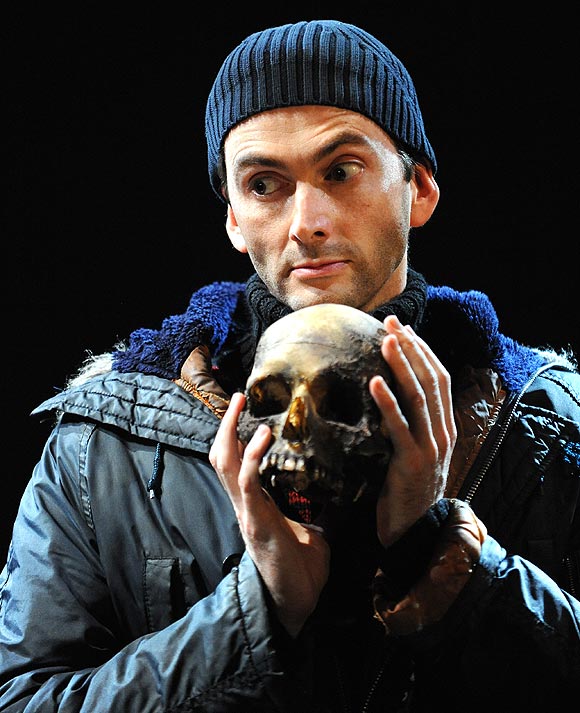
Or, to further misquote that already famous Shakespearean misquote:
Vanity, thy name is AI.
 The Blog About Fog