With Russian forces stalled menacingly close to the EU’s eastern borders for over a year now, it’s comforting to know that similar threats are being recognized and neutralized here in western Europe on a daily basis too.

Case in point: this CNN story yesterday on how Belgian customs in collaboration with the Comité Interprofessionnel du vin de Champagne (CIVC) helped to protect the EU economy from being destabilized by a dangerous ring of counterfeiters. The miscreant here is that well known criminal organization of the Miller Brewing Company, which was apparently trying to pass off their Miller High Life (AKA “The Champagne of beers”) as real Champagne. Luckily for the EU, there’s Belgium, which bravely stood up and destroyed 2352 cans of the contraband brew (or, in terms a Canadian can understand, 98 twofers), thereby garnering them the accolade of bone-head customs of the day.
“If a counterfeit is proven, as is the case here, we also consult each other on the decision to destroy these goods and on the way in which we have them destroyed.”
Kristian Vanderwaeren, general administrator of the Belgian General Administration for Customs and Excise
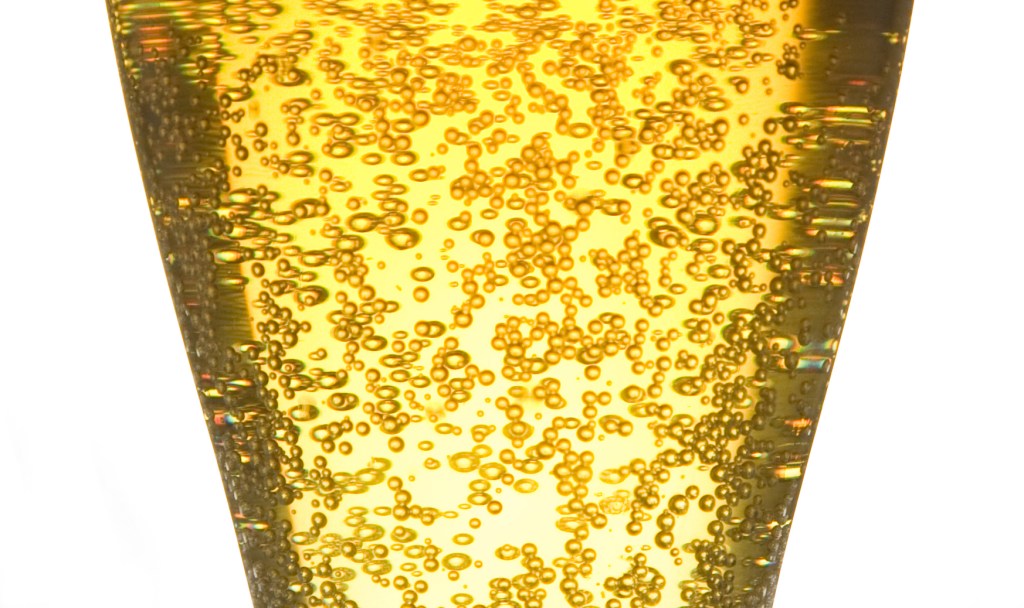
Sorry, Kris, it’s not a counterfeit, but a comparison. Nice try though. A counterfeit would be if Miller claimed that it was Champagne. Instead they really only likened it to the stuff because just like the real bubbly, High Life is unusually highly carbonated. In this sense, it’s no different than using the word champagne to describe the colour of something because, well, it has the same colour as the original French stuff. Going to go after all the paint companies now too? The CIVC would and even implied in 2013 that Apple was only trying to benefit from the Champagne brand name when trying to use the word to describe the colour of the then new iPhone 5S. (Hint to the CIVC: it’s probably your brand, and not that of the world’s most valuable company, that would be the one only benefitting from this association.)
(Admittedly, there seems to be an important, if picky difference in play here, namely that between “Champagne” and “champagne”. Apparently, if you use the capital letter at the start, it better be the real stuff. If not, then it can be any sparkling wine. Seems like the French have been living next to the Germans for too long.)
But, let’s face it, no one, and especially not the Belgians who actually know more than a thing or two about beer, is ever going to mistake Miller High Life for Champagne. And, even if the Belgians understandably enough disavow High Life as being beer, this doesn’t automatically make it Champagne either.
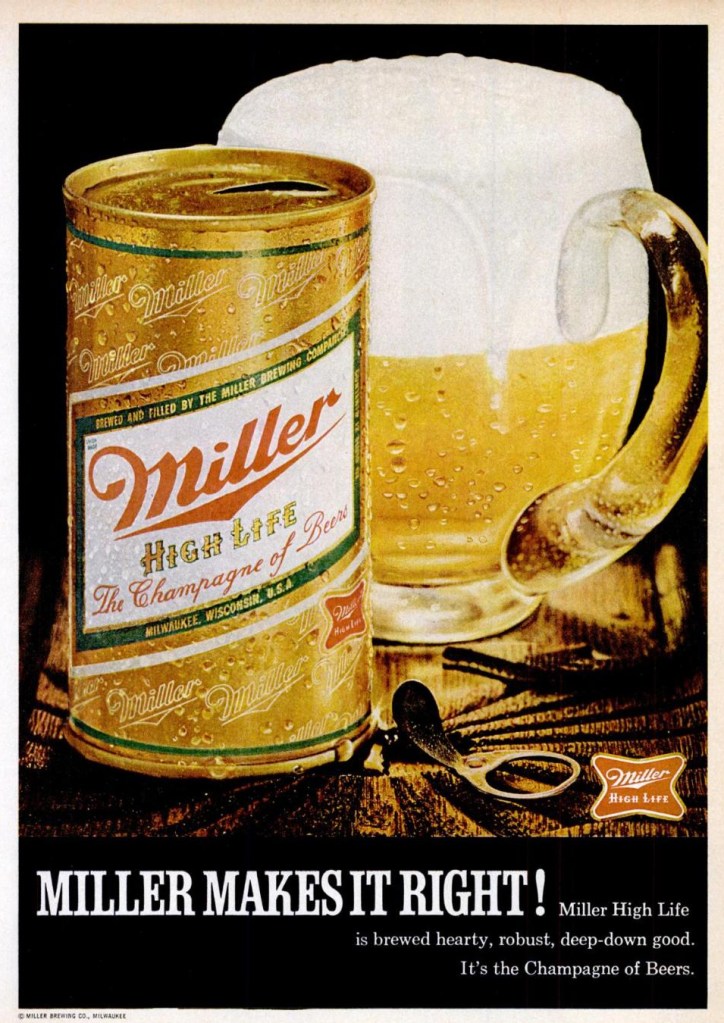
Apart from the obvious question of “who cares?”, the real question here is why the CIVC haven’t gotten their little white gloves dirty before now and gone after Miller more generally for trademark infringement instead of getting their Belgian bulldogs to do their dirty work for them here. (By contrast, the CIVC found it more important in this “incident” to explicitly point out (probably not in English) that the fake Champagne was destroyed “with the greatest respect for environmental concerns.” Please …) According to the CNN article, Miller has been using the modern Champagne slogan since 1969 after modifying it from the previous one of “The Champagne of Bottle Beer”, which only dates back to about 1906. I thought that part of the obligation of owning a trademark was also defending it. A century isn’t long enough to notice?
(As it turns out, there actually is no trademark to defend because Champagne is merely a protected word, not trademarked.)
On top of that, it’s hard to sympathize with a claim of trademark infringement (i.e., unauthorized use of a protected word) here given that Champagne the Drink lifted its name from Champagne the Region where it’s produced. Are the people that live there, especially the more bubbly personalities, counterfeiters now too?
You have to wonder why the CIVC is being so hyperaggressive here. Through its policies, the village of Champagne, Switzerland was forced to stop using the word Champagne to describe their still wine despite its history being about as old as the French stuff. (Ever even heard of Swiss wine before? Me neither. Huge threat averted there, CIVC.) After all, you don’t see Coca-Cola going nuts because “coke” (which is trademarked) happens to also be a generic term for any kind of soft drink in many places. Same thing for Kleenex. Very few brands have achieved this kind of envious recognition. On top of that, the word champagne is also often synonymous with luxury (coke too, but in a different context), whether for bubbly or beyond. Apart from the real problem of the real counterfeiters, that all represents really good advertising for the Champagne brand.
Whatever …
I’ve commented previously about how France’s impact on the world stage over the past two centuries has largely been limited to getting the points at the Eurovision Song Contest also being announced in French. Looks like Belgium is struggling to reach even that niveau …
 The Blog About Fog